Cat and Dog Theory: Understanding Pet Temperaments
What is the cat and dog theory?
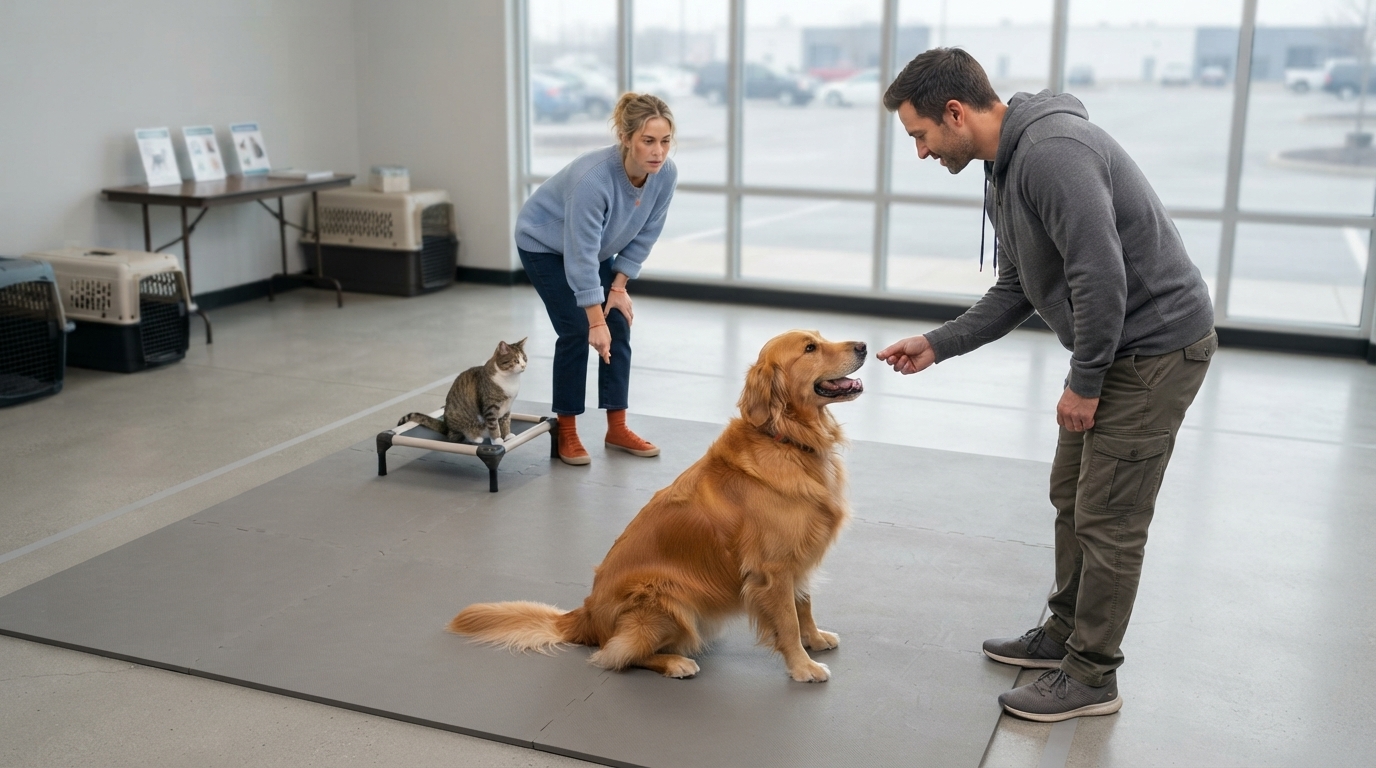
The cat and dog theory is a simple way to describe two common, contrasting temperament styles in animals—especially pets—by comparing them to familiar “cat-like” and “dog-like” behavior patterns. It’s not a scientific test or a strict label. Instead, it’s a shorthand that helps explain why one pet may seem naturally independent and cautious while another seems social, eager, and people-focused.
Answer
In this theory, a “cat-like” temperament often means a pet is more selective with attention, slower to warm up, and motivated by comfort, control of personal space, and predictable routines. These pets may prefer short interactions on their terms, observe before engaging, and disengage when overstimulated.
A “dog-like” temperament generally describes a pet that’s more socially driven, quick to approach, and motivated by connection, play, and approval. These pets may seek out people, respond strongly to praise, and show enthusiasm through movement, vocalizing, or persistent engagement.
The theory can be useful for daily life because it encourages matching your approach to the individual animal. A more “cat-like” pet often does best with gentle introductions, clear boundaries, and low-pressure training. A more “dog-like” pet may thrive with frequent interaction, structured activities, and reward-based routines that channel energy into clear goals.
It also helps explain why certain training or handling styles work great for one pet and fall flat with another. For example, pushing a cautious pet to “just get used to it” can backfire, while a highly social pet may need more guidance to prevent overexcitement and frustration.
For a practical, behavior-focused breakdown of these temperament styles—and how to work with them calmly—visit the main guide here: https://grandfindshut.shop/guide-decode-dog-cat-temperament-calmer-training/.
FAQ
How can I tell if my pet is more cat-like or dog-like?
Look at how they approach new people and situations: cautious observation and preference for space often signals “cat-like,” while quick engagement and attention-seeking leans “dog-like.” Most pets show a blend, so focus on the patterns you see most consistently.














Leave a comment