Pet First Aid Kit Checklist: Must-Have Supplies
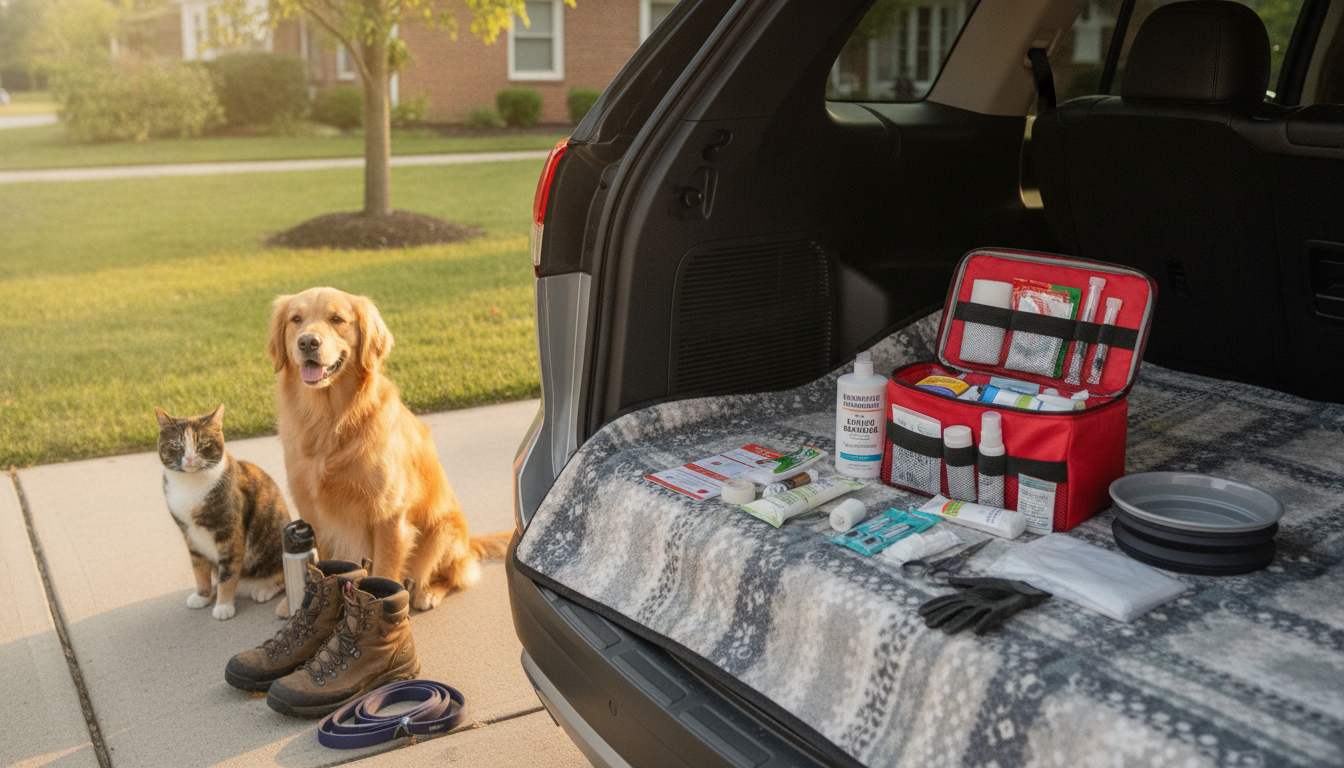
What should be in a pet first aid kit?
A solid pet first aid kit should cover three needs: controlling bleeding, protecting wounds, and handling common emergencies until a veterinarian can take over. It also needs to be easy to grab, clearly labeled, and stocked with items sized for your pet.
Basics for wound care and bandaging
Start with sterile gauze pads, non-stick wound dressings, and rolled gauze for padding. Add self-adherent cohesive wrap (the kind that sticks to itself) and medical tape to secure everything. Blunt-tip scissors help cut bandage material safely, and disposable gloves help keep wounds clean.
Cleaning and infection prevention
Include sterile saline solution for flushing debris from minor cuts and for gentle eye rinses. Antiseptic wipes or a pet-safe antiseptic solution can help clean around small wounds (avoid harsh products that can damage tissue). Pack a few clean towels or absorbent cloths for drying, pressure, or warmth.
Tools that make emergencies easier
A digital thermometer (plus lubricant) is useful for checking for fever or shock. Tweezers can remove splinters or visible ticks, and a tick remover tool can make that job safer. A flashlight helps you assess injuries in low light, and a muzzle or soft leash can prevent a frightened pet from biting during painful handling (only if it’s safe for the situation).
Comfort, transport, and key information
Carry an emergency blanket, a collapsible bowl, and a small supply of water. Add a pet carrier or sturdy transport option if you’ll need to move your pet quickly. Keep a card with your vet’s number, the nearest 24/7 emergency clinic, your pet’s meds and allergies, and microchip details. For a printable checklist and quick emergency steps, see this pet first aid cheat sheet.
Smart storage and maintenance
Use a hard-sided container or zip pouch, label it “Pet First Aid,” and store it where everyone can find it. Check expiration dates every few months, replace used supplies immediately, and customize quantities for your pet’s size and any chronic conditions.
FAQ
How often should I replace items in a pet first aid kit?
Review the kit every 3–6 months, replacing anything expired, opened, or damaged. Restock right after you use an item so the kit stays ready for the next emergency.
















Leave a comment