Anxiety Relief Bundle: 4-in-1 Calm Routine Toolkit
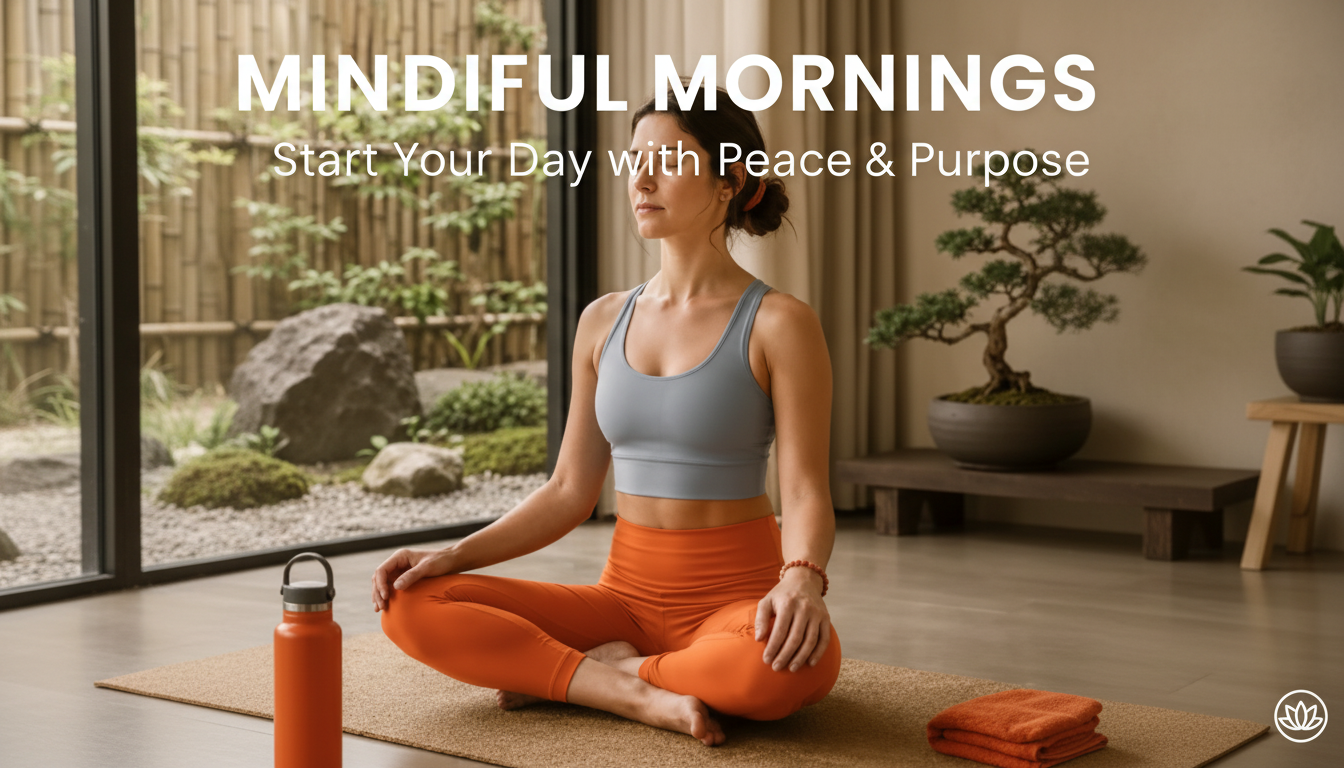
Anxiety often feels bigger when thoughts race, routines slip, and coping tools aren’t within reach. A bundled approach can help by combining simple mindfulness practices, supportive thinking prompts, and clear daily check-ins. The Anxiety Relief Bundle: A Path to Calm brings these elements together in a structured set designed to make calming skills easier to practice consistently.
What the Bundle Includes
This 4-in-1 set is built around four coordinated parts designed to work together: mindfulness exercises, positive thinking support, a printable checklist, and a course outline. The goal is repeatable, low-friction practices that fit into short windows—morning grounding, a mid-day reset, and an evening wind-down—so the tools stay usable even when motivation is low.
You can move through the materials sequentially (guided by the course outline) or use them modularly (pick what helps most today). Many people start modularly and then shift into a more structured sequence once the routine feels familiar.
Bundle Components at a Glance
| Component | Primary purpose | Best time to use |
|---|---|---|
| Mindfulness exercises | Reduce physiological stress and interrupt spirals | Morning grounding, mid-day reset, pre-sleep |
| Positive thinking prompts | Reframe unhelpful patterns and build steadier self-talk | After triggers, journaling sessions, evening reflection |
| Printable checklist | Turn coping into a routine with visible progress | Daily planning and accountability |
| Course outline | Provide structure and a step-by-step learning path | Weekly planning and skill-building sessions |
If you’re looking for the complete set, you can find it here: The Anxiety Relief Bundle: A Path to Calm (4-in-1 Bundle).
How to Use the Bundle Without Feeling Overwhelmed
When anxiety is high, “doing everything” can backfire. A calmer approach is to start small and let consistency do the heavy lifting.
- Start small: choose one mindfulness exercise and one checklist item per day for the first week.
- Pair tools with existing habits (after brushing teeth, during lunch break, before bed) to reduce decision fatigue.
- Use the checklist as a “minimum viable calm” plan: even 5 minutes counts when symptoms are high.
- Treat the course outline as a map, not a rulebook—repeat modules as needed during harder weeks.
A helpful mindset is “practice for access.” The aim isn’t perfect calm; it’s building the ability to reach for a skill quickly when your nervous system is activated.
Mindfulness Exercises That Support a Calm Nervous System
Mindfulness works best when it’s specific and brief—especially for anxious minds that don’t want to sit still for long.
- Breath-based grounding: Emphasize a slower exhale to help downshift from fight-or-flight. Even 4–6 slow breaths can change the tone of a moment.
- Sensory anchoring: Identify what you can see, hear, feel, and smell to reduce rumination and bring attention to the present.
- Body scan check-ins: Notice tension points (jaw, shoulders, stomach) and release without forcing relaxation. The goal is gentle awareness, not “making it go away.”
- Short beats long: Consistency builds familiarity, which often leads to faster access to calm during spikes.
If you want a complementary audio-style routine for daily repetition, consider pairing the bundle with Daily Affirmations for Abundant Wealth (Audio Course) as a structured listening habit that supports steadier self-talk.
Positive Thinking Tools That Don’t Dismiss Real Feelings
Effective positive thinking isn’t about pretending everything is fine. It’s about replacing harsh, absolute thoughts with balanced, workable ones—without denying what’s real.
- Use balanced statements: Acknowledge the stressor and add a supportive next step. Example: “This is hard, and I can take one small action right now.”
- Separate facts from stories: Facts are what you know; stories are what anxiety predicts. This reduces catastrophic spirals by bringing the mind back to what’s verifiable.
- Compassionate self-talk prompts: Reducing self-criticism matters because shame often amplifies anxious symptoms and avoidance.
- Track small wins: One “I handled that” moment per day builds evidence that coping skills work over time.
Printable Checklist: Turn Coping Skills Into a Daily Routine
A checklist externalizes the plan so your mind doesn’t have to remember everything during stress. It also turns coping into visible progress, which can be grounding on days when emotions feel unpredictable.
- Morning check-in: Hydration, a brief grounding practice, and one realistic top priority to set a stable baseline.
- Mid-day reset: Micro-break, breath reset, and a quick thought reframe to prevent accumulation.
- Evening wind-down: Screen reduction, gentle reflection, and preparing one calming step for tomorrow to signal closure.
Course Outline: A Step-by-Step Path to Skill-Building
A Simple 7-Day Starter Plan
Who This Bundle Can Help Most
If relationship anxiety or boundary-setting is a common trigger, a separate tool that some shoppers add to their routine is the Mindful Dating Red-Flag Checklist (Printable) for clearer decision-making under stress.
Important Notes on Safety and Support
For additional education on anxiety and evidence-informed approaches, see the National Institute of Mental Health (NIMH) overview of anxiety disorders, the American Psychological Association (APA) page on anxiety, and the NCCIH summary of mind-body practices.
FAQ
Is this bundle better used daily or only when anxiety spikes?
Daily use helps build a steadier baseline, while “as-needed” use supports quick regulation during spikes. A practical approach is a tiny daily minimum (one short practice + one checklist item) plus a rough-day routine you can use when symptoms surge.
How long does it take to notice a difference?
Some people feel calmer immediately after a short practice, especially breath or grounding exercises. Broader change usually comes from consistent repetition over several weeks, so tracking small improvements (sleep, focus, fewer spirals) can help you notice progress.
Can these tools be used alongside therapy or medication?
Yes—these tools can fit well as supportive daily habits for practice and structure. Continue following clinician guidance for treatment decisions and use the bundle to reinforce skills between sessions or alongside prescribed care.
















Leave a comment